SciFig AI

AI materials science figure generator

Draft materials, device, and processing figures

Describe the composition, layers, interfaces, processing sequence, and measured property. SciFig creates a visual draft for materials-science review.

Choose a materials science starting point

Replace generic materials, phases, dimensions, and properties with values and terminology verified in your study.

0/2000

معاينة مجانية باستخدام 1K.تسجيل الدخولبعد ذلك، يمكنك فتح الرابطين 2K / 4K وحفظ السجل.

Multiple AI models

GPT Image 2, Nano Banana and Z-Image — pick the right one per figure.

Up to 4K export

Render at 1K, 2K or 4K for print-ready manuscript output.

Text & sketch to figure

Start from a prompt, or refine a rough hand-drawn sketch.

Free to start

Generate a 1K preview with no sign-up required.

AI materials science figure generator

Materials science visual structures to explore

These AI-generated examples show visual hierarchy only. Verify phases, lattice geometry, interfaces, dimensions, transport direction, and performance data.

Materials science workflow

Connect composition, structure, process, and property

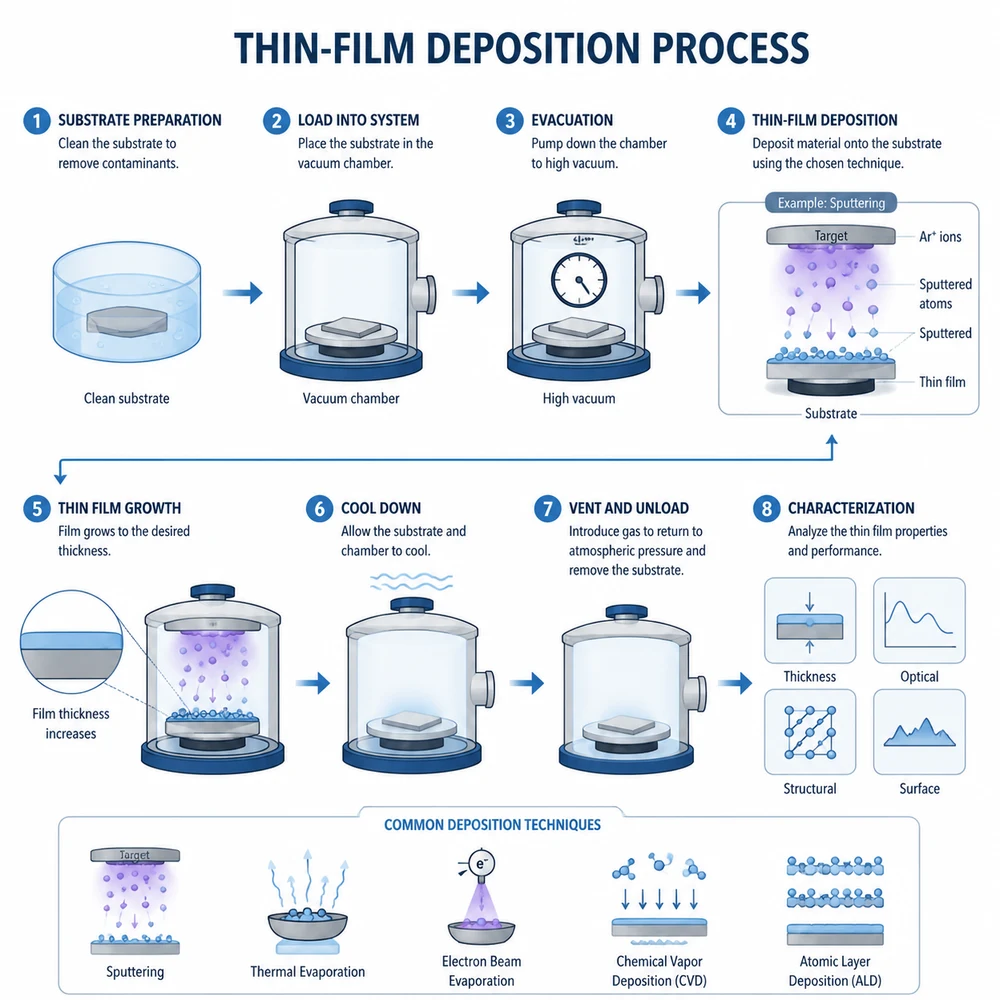
AI-generated thin-film deposition process illustration1

Declare each length scale

Separate atomic lattice, nanoscale feature, grain, film, component, and complete device. Use inset boundaries and scale labels so readers do not interpret a conceptual transition as a continuous physical view.

  • Name composition, phase, orientation, and interface
  • Mark schematic views as not to scale
  • Use source microscopy for observed morphology
  • Keep crystal axes and device axes distinct
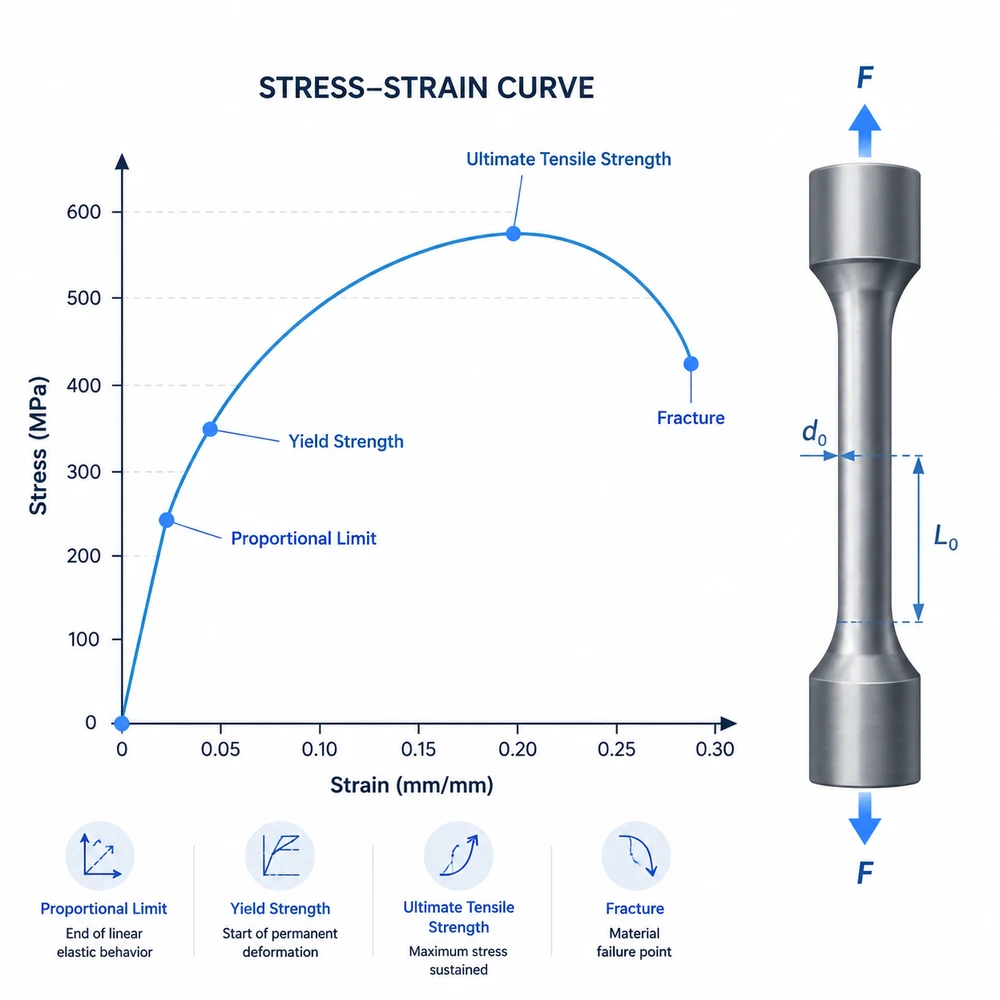
AI-generated stress-strain testing curve illustration2

Show processing without inventing conditions

Organize synthesis, deposition, heat treatment, patterning, and assembly as a controlled sequence. Insert verified temperatures, times, atmospheres, and dimensions only from laboratory records.

  • Check every label and scientific term
  • Verify arrows, structures, and causal relationships
  • Compare the draft with the source data or manuscript
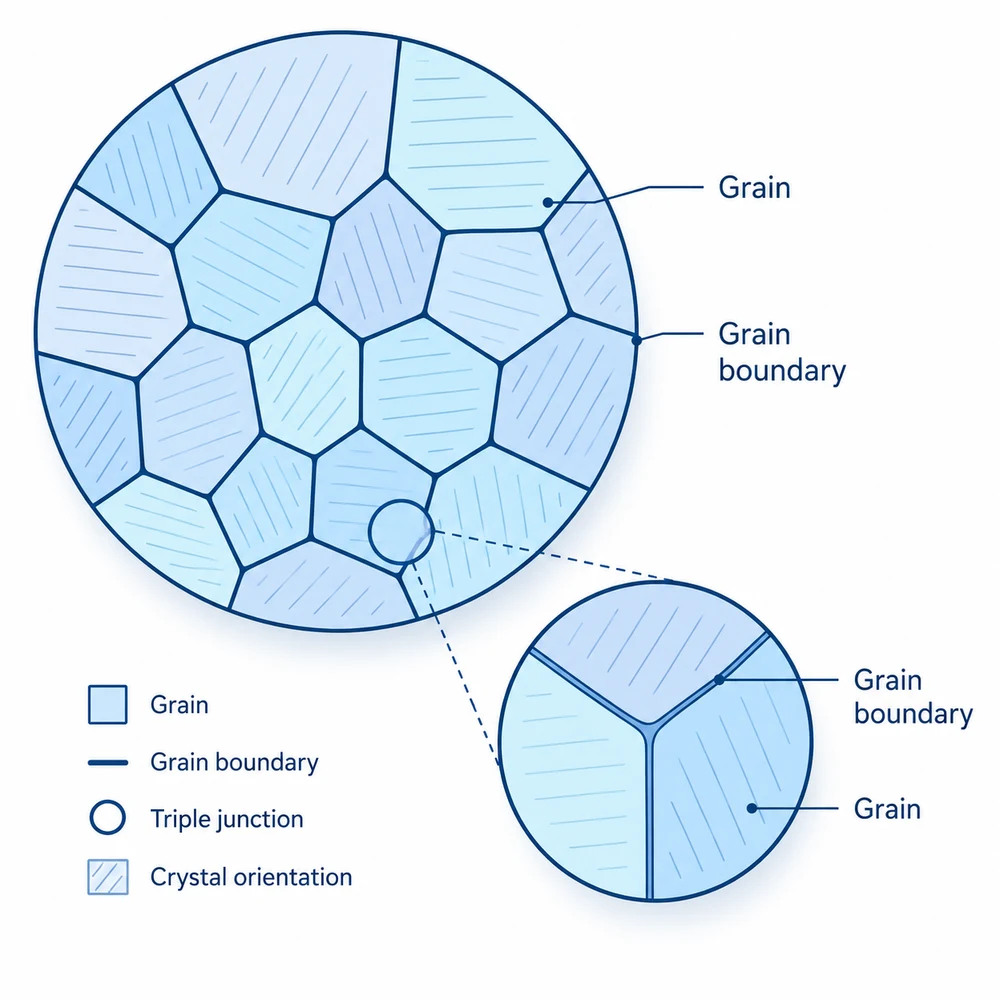
AI-generated material microstructure grain illustration3

Represent structure-property evidence honestly

Distinguish measured correlation, proposed mechanism, simulation result, and established causal effect. Performance curves, diffraction patterns, microscopy, and fitted parameters must come from source data.

  • Confirm dimensions, file format, and resolution
  • Review the target venue's AI-use policy
  • Complete a final expert review before use

Materials science figure generator questions

Create a materials science figure draft

Define the scale, composition, interfaces, process, and verified property before generating.