SciFig AI

AI chemistry figure generator

Draft chemistry figures for reactions, molecules, and experiments

Describe the reactants, conditions, sequence, and intended visual hierarchy. SciFig creates a composition draft that a chemist can verify and refine.

Choose a chemistry starting point

Start from a structured prompt, then replace every compound, condition, arrow, and observation with details from your own work.

0/2000

Gratis voorbeeld gegenereerd via 1K.InloggenVervolgens kun je 2K / 4K ontgrendelen en de geschiedenis opslaan.

Multiple AI models

GPT Image 2, Nano Banana and Z-Image — pick the right one per figure.

Up to 4K export

Render at 1K, 2K or 4K for print-ready manuscript output.

Text & sketch to figure

Start from a prompt, or refine a rough hand-drawn sketch.

Free to start

Generate a 1K preview with no sign-up required.

AI chemistry figure generator

Chemistry figure structures to explore

These AI-generated examples show composition only. Use chemistry software and source data for exact structures, spectra, orbitals, and numerical values.

Chemistry workflow

Keep chemical meaning separate from visual polish

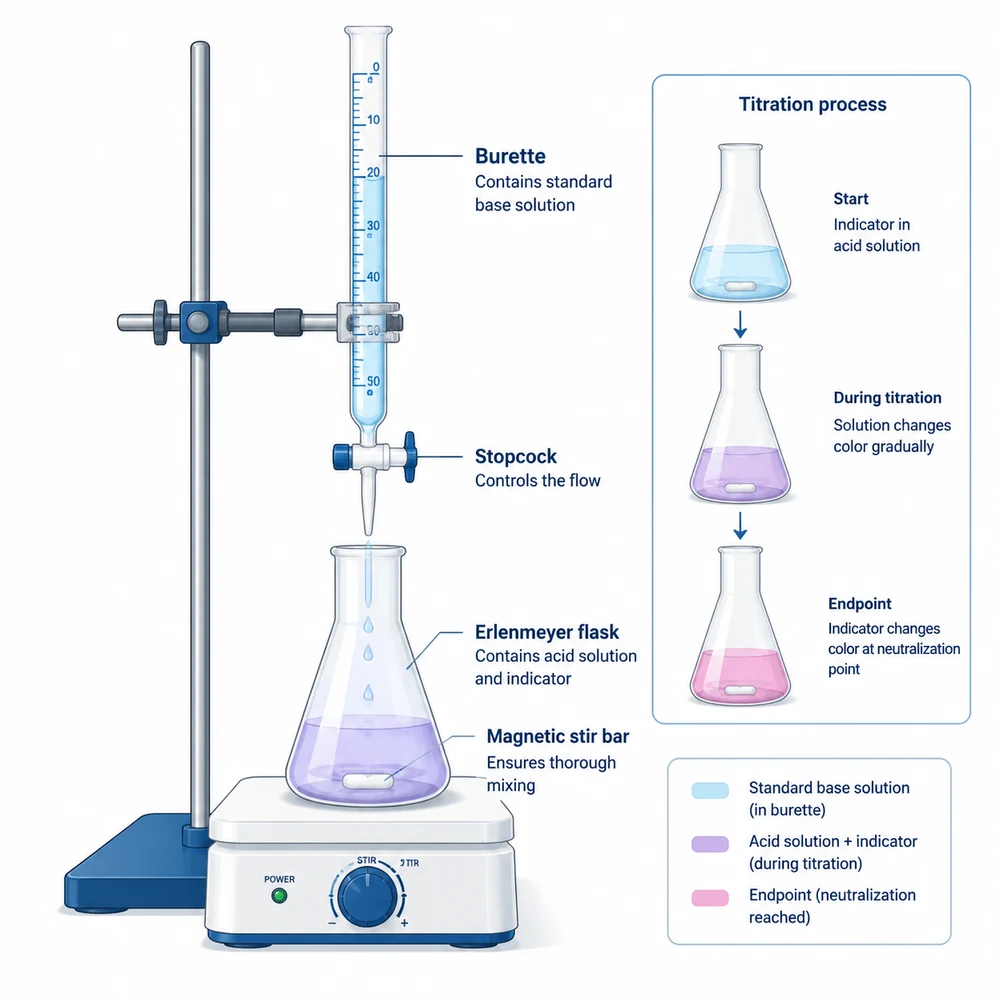
AI-generated acid-base titration setup illustration1

Specify the reaction logic and conditions

State the order of operations, limiting reagent, catalyst, solvent, temperature, time, atmosphere, and workup when they matter. Ask for placeholders when an exact structure will be inserted later.

  • Separate reagents, conditions, workup, and purification
  • Distinguish equilibrium, resonance, and reaction arrows
  • Mark proposed intermediates as proposed rather than observed
  • Keep stoichiometry and yield tied to verified records
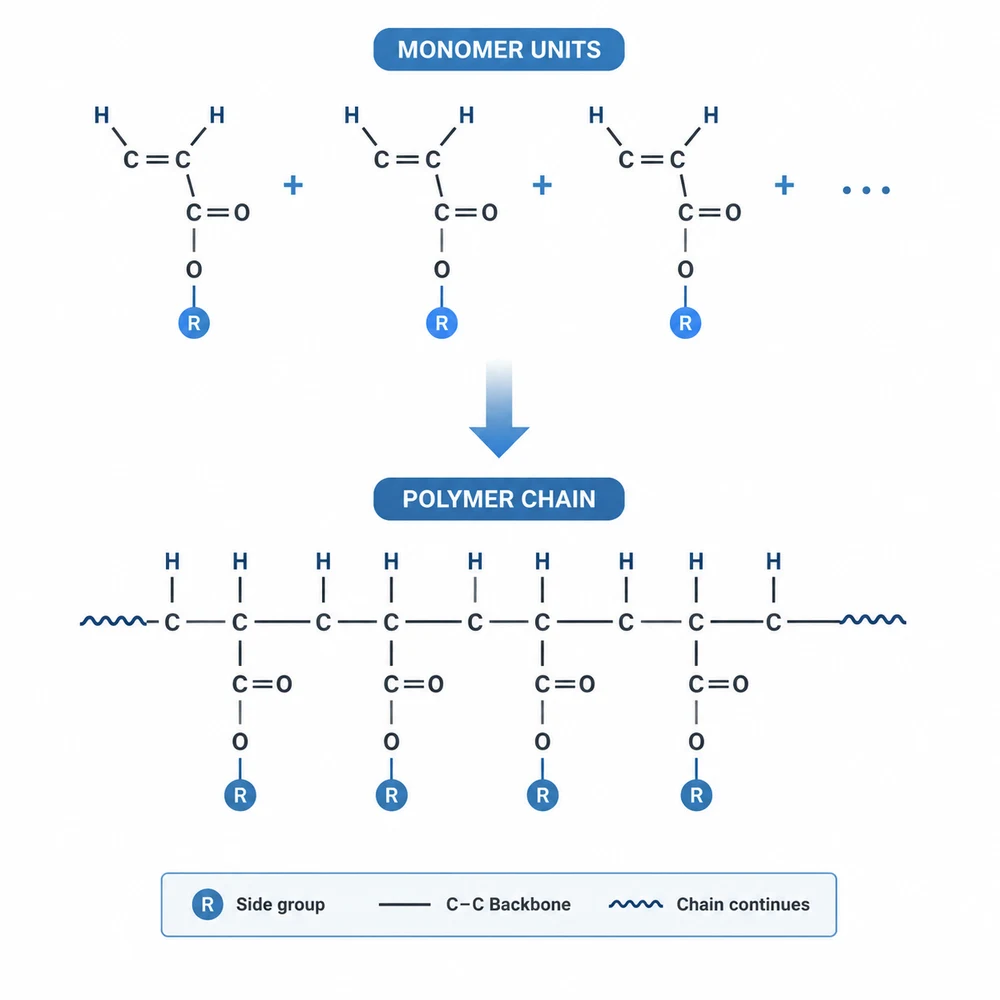
AI-generated polymer chain formation illustration2

Create exact structures in a chemistry editor

Generative images are unreliable for atom identity, bond order, stereochemistry, charge, and ring connectivity. Build exact structures in a domain tool and use SciFig for layout, surrounding context, and visual storytelling.

  • Check every label and scientific term
  • Verify arrows, structures, and causal relationships
  • Compare the draft with the source data or manuscript
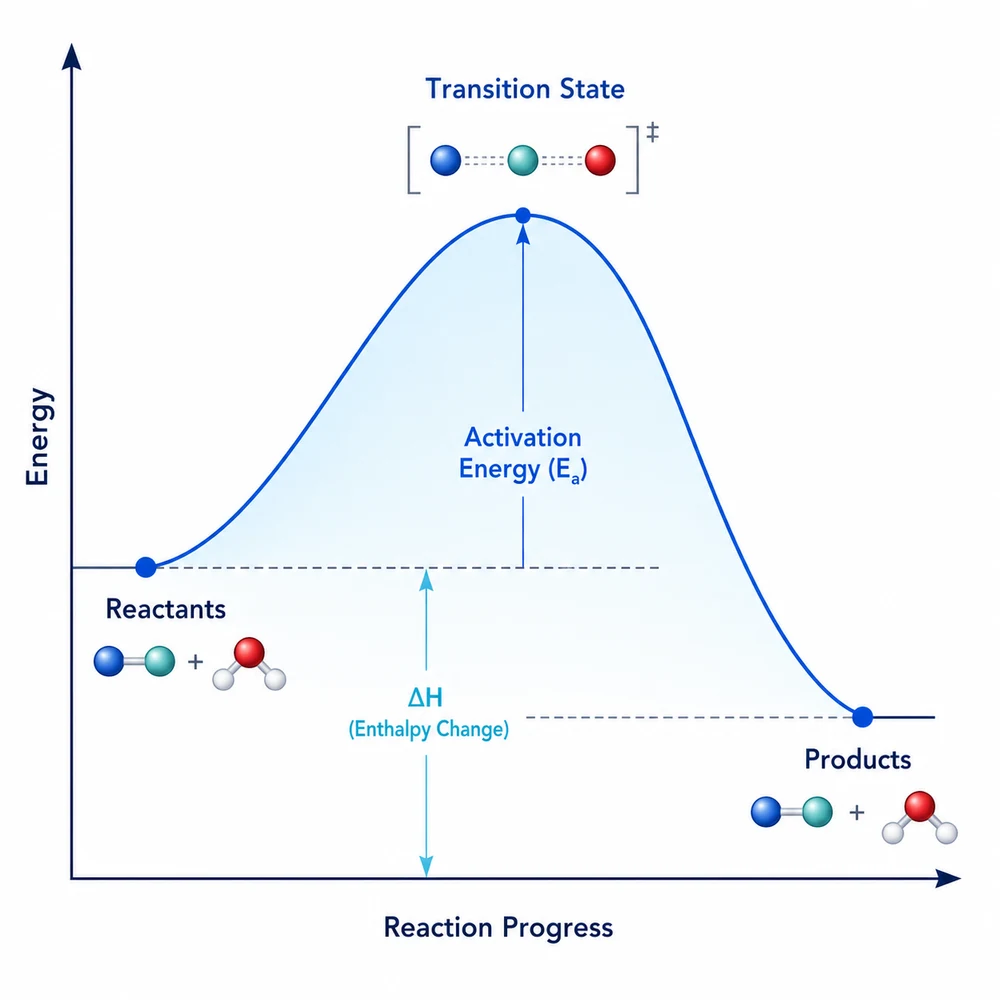
AI-generated reaction energy profile illustration3

Plot analytical data from the source file

Spectra, chromatograms, calibration curves, and quantitative panels must come from measured data. Do not use a generated trace as evidence; reserve generated elements for explanatory context.

  • Confirm dimensions, file format, and resolution
  • Review the target venue's AI-use policy
  • Complete a final expert review before use

Chemistry figure generator questions

Create a chemistry figure draft

Define the reaction sequence and visual hierarchy, then validate all chemical details in your specialist tools.