

Z-Image
Photorealistic detail
- Generation modes
- Text to image
- Resolution
- Fixed 1K
- Kie/SciFig prompt limit
- 1,000 characters
- Kie/SciFig reference-image limit
- Not supported
- Auto ratio
- Not supported
- Aspect ratios
- 1:1, 4:3, 3:4, 16:9, 9:16
Z-Image for research visuals
Z-Image is a focused text-to-image option in SciFig. It suits visual concepts for materials, instruments, field settings, and journal covers when you do not need reference-image editing or resolution controls.
 Z-ImagePhotorealistic detail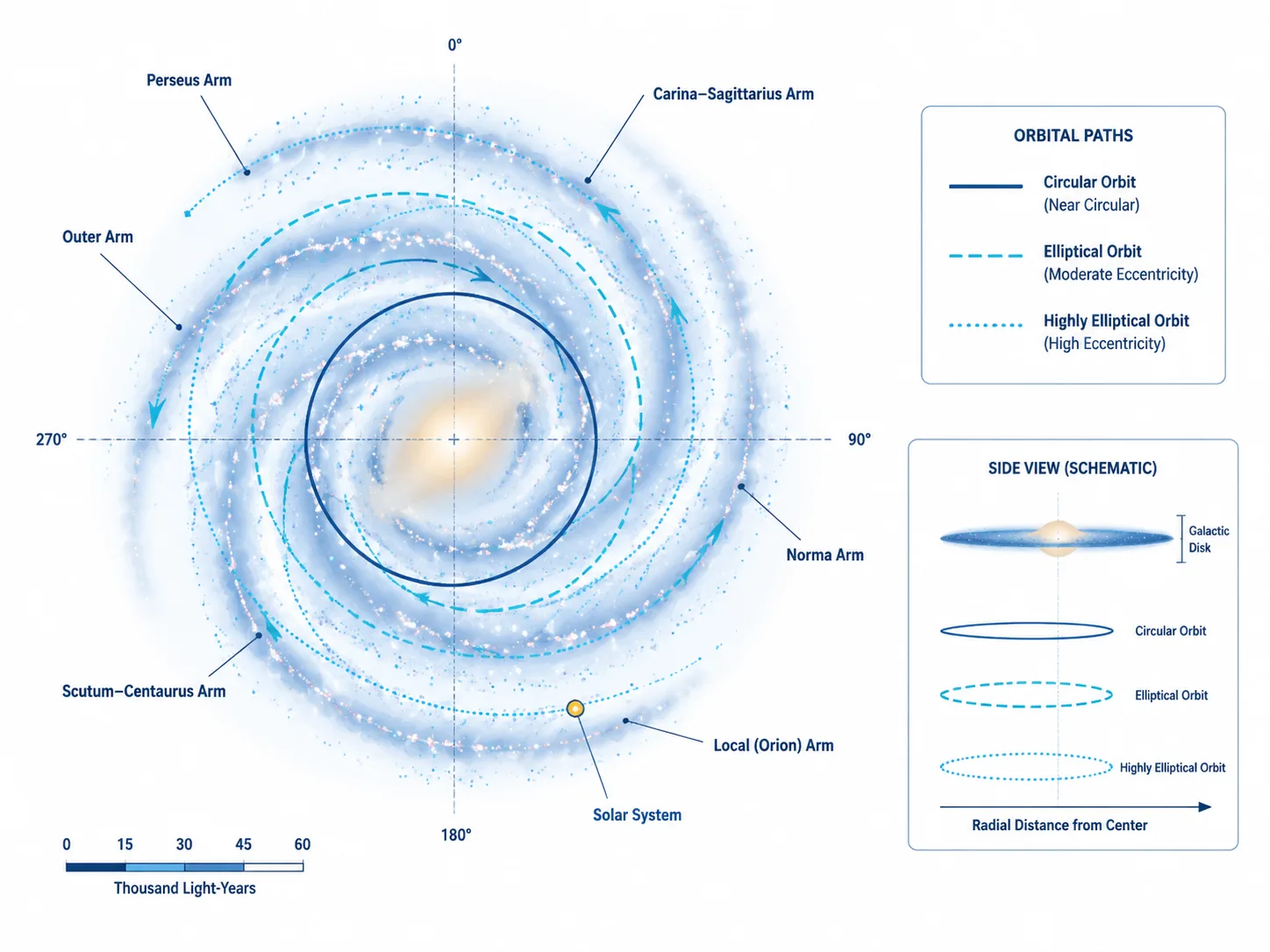
Astronomy cover direction
Use physical scale, lighting, and a strong focal point to explore a cover image.
These values describe the limits exposed by SciFig’s current Kie-backed model registry, not every capability of the underlying model.
Photorealistic detail
Provenance: SciFig reads these limits from its Kie integration and shared model registry. They describe the current product integration and can change independently of the underlying model.
These existing SciFig examples are visual task references, not verified Z-Image benchmarks. Use the prompts to evaluate the current integration with your own subject matter.
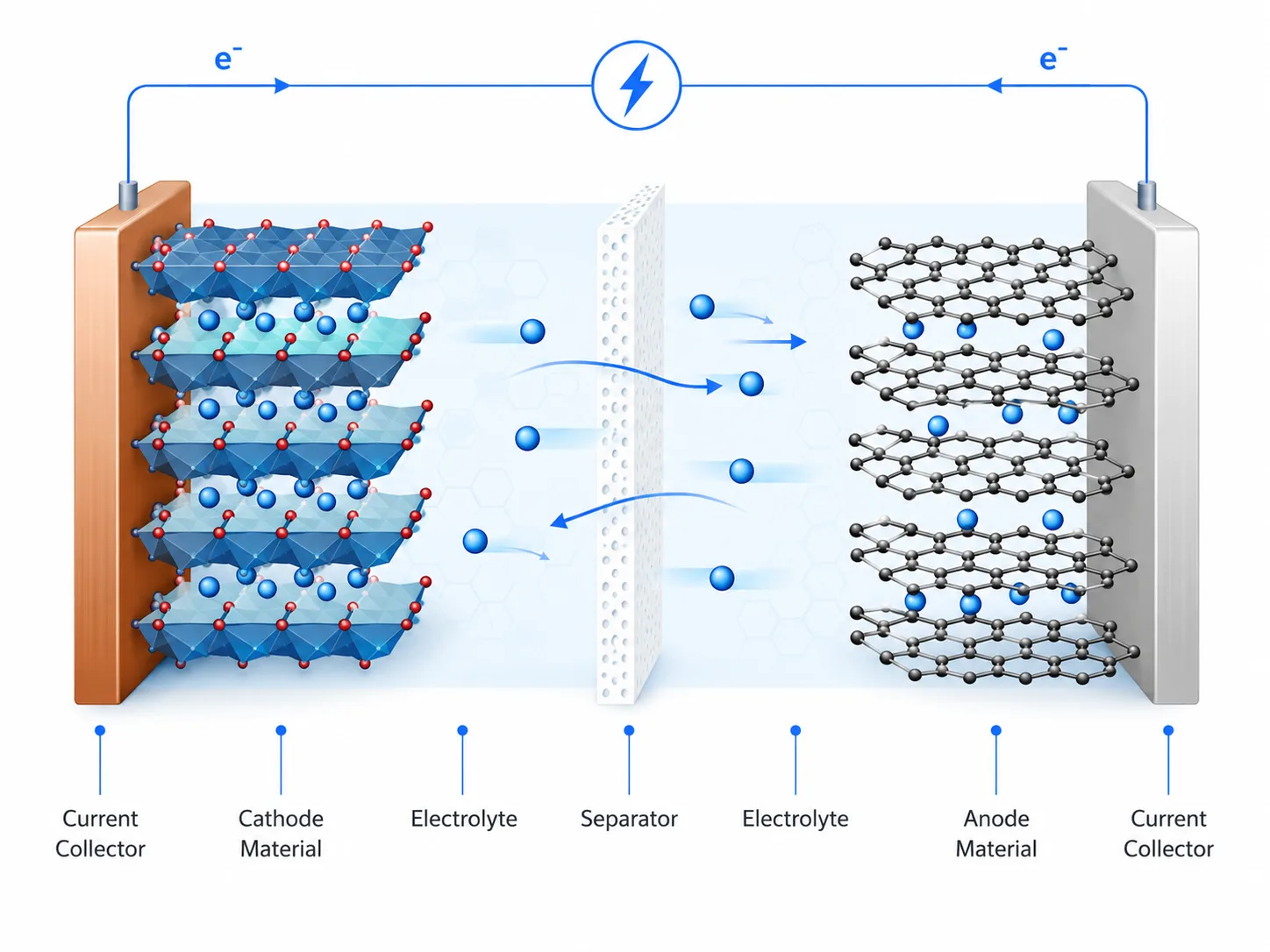
Test layered geometry, material contrast, and a controlled technical viewpoint.
Photorealistic cutaway concept of a next-generation rechargeable battery, layered cathode and graphite anode separated by a porous membrane, blue ions moving through clear electrolyte, studio lighting, white background, no text
Use physical scale, lighting, and a strong focal point to explore a cover image.
Journal cover concept of a spiral galaxy seen at a slight angle, luminous central bulge, distinct dust lanes and star-forming arms, scientifically plausible color, deep space background, dramatic but restrained lighting, no text
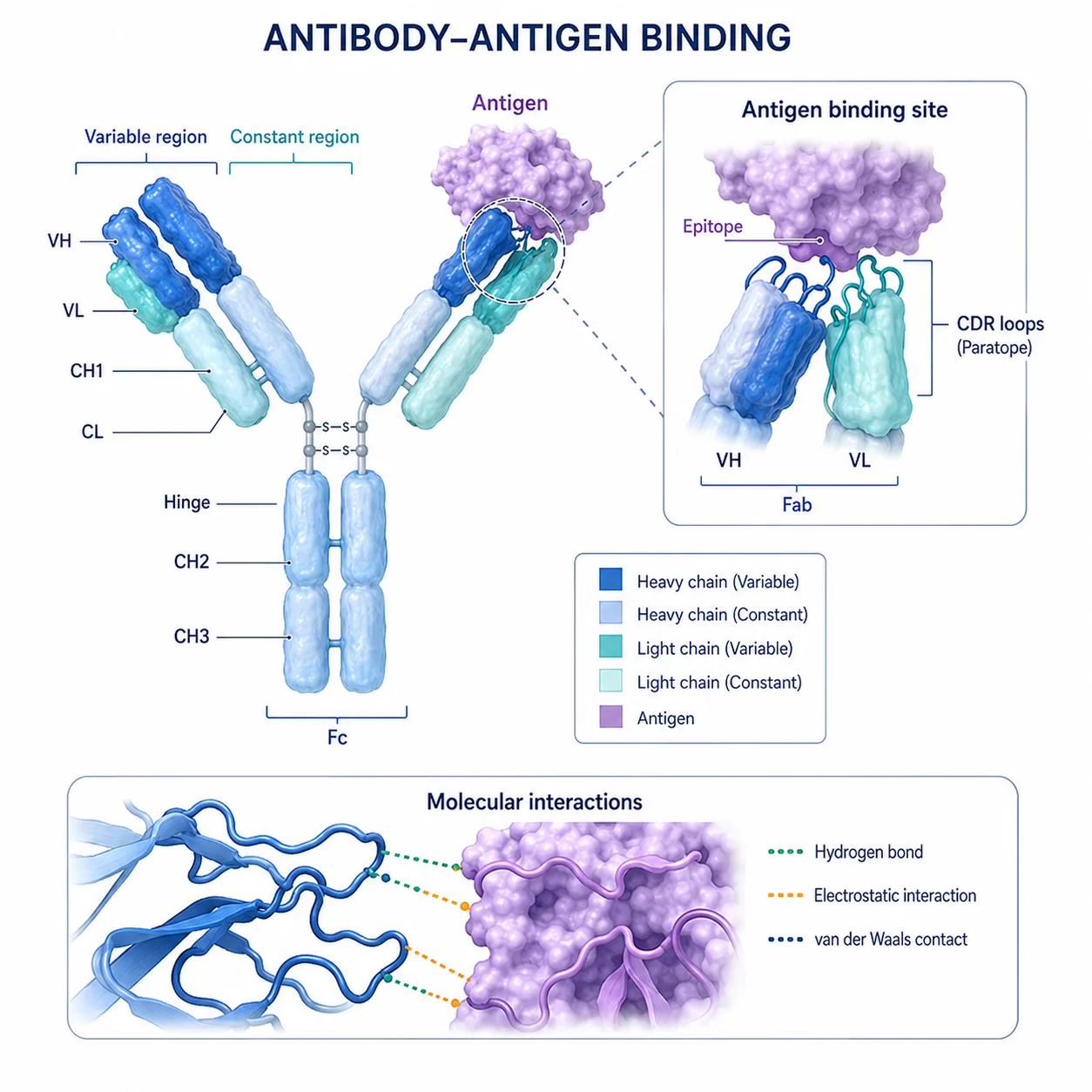
Evaluate shape, material rendering, and depth while planning to verify the structure separately.
High-detail 3D scientific visualization of an antibody approaching an antigen surface, binding interface emphasized with subtle colored contact points, clean white studio background, realistic molecular surface rendering, no labels
Describe material, geometry, lighting, viewpoint, and scientific context. Keep the information hierarchy simple and plan to add verified labels later.
Gratis forhåndsvisning med utskrift via 1K.Logg innDeretter kan du låse opp 2K / 4K og lagre historikken.